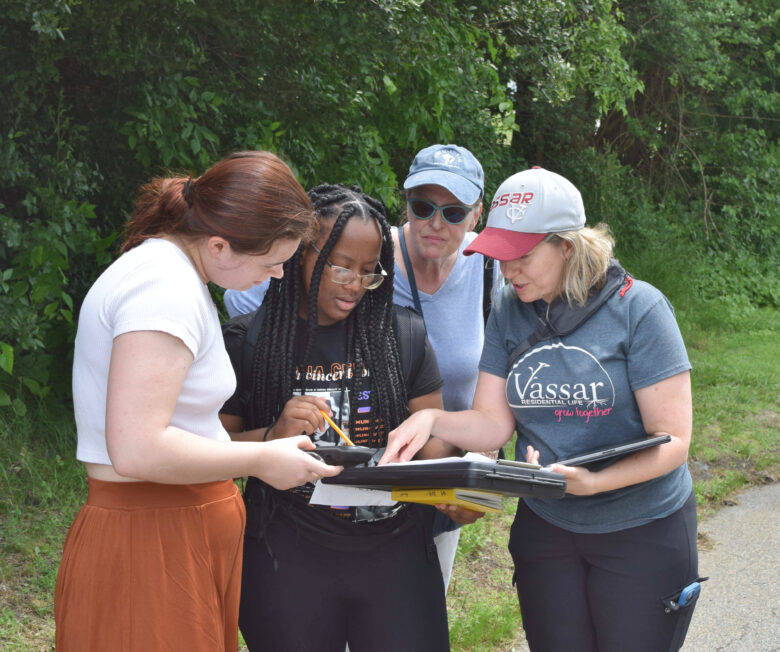
I am on leave from Vassar College for the 2024-2025 academic year. During that time I will be doing research that will provide new content for courses and opportunities for student engagement.
In the Fall of 2025, I anticipate teaching ANTH 130 Archaeology: Lessons from the Past, ANTH 331 Ruins & Haunting Heritage, and a new group independent study (what we call intensives) ANTH & ENST Land Use History: Vassar Farm and Preserve.
Archaeologists have a unique skill set when it comes to creating land use histories. For the new course, co-taught with the manager of the Vassar Ecological Preserve , students will conduct surface and subsurface survey of the landscape in addition to compiling historic and archival data and conducting informant and community interviews. I am especially excited for the soil coring that will allow us to determine the vertical and horizontal extent of past farm plowing as well as determine where archaeological sites are located and what time periods they date to.
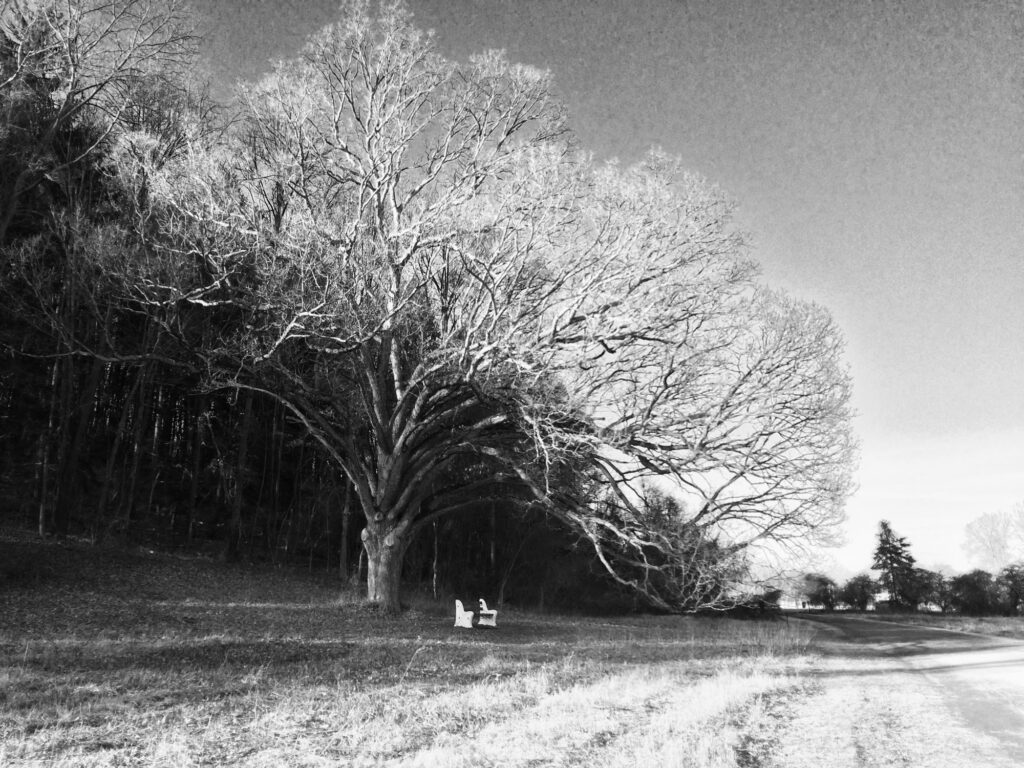
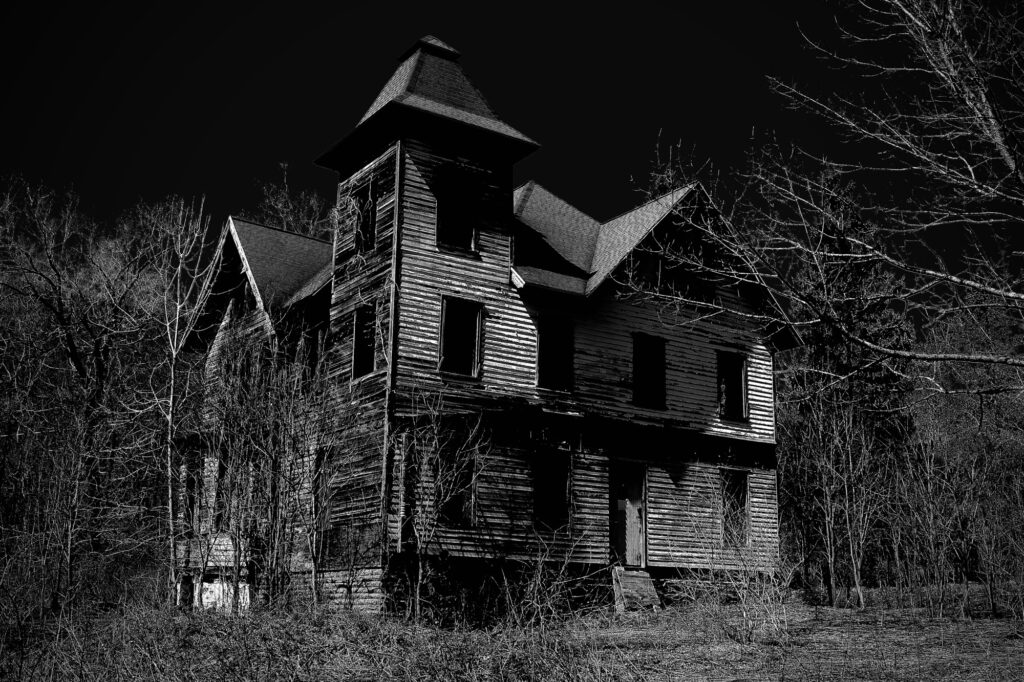
My senior-level archaeology course is titled Ruins and Haunting Heritage. Students engage with archaeological method and theory to understand how and why some places on the landscape take on the aura of being “haunted”. These are usually places that seem to persist on the landscape long after their usefulness has diminished. Alternatively, haunted places are locations that anchor stories of loss. Students also learn a bit of the history of archaeology to explore how the field has become enmeshed in stories of mystery and adventure. Archaeologists, archaeological sites, and odd artifacts (objects) are at the root of many stories of the paranormal.
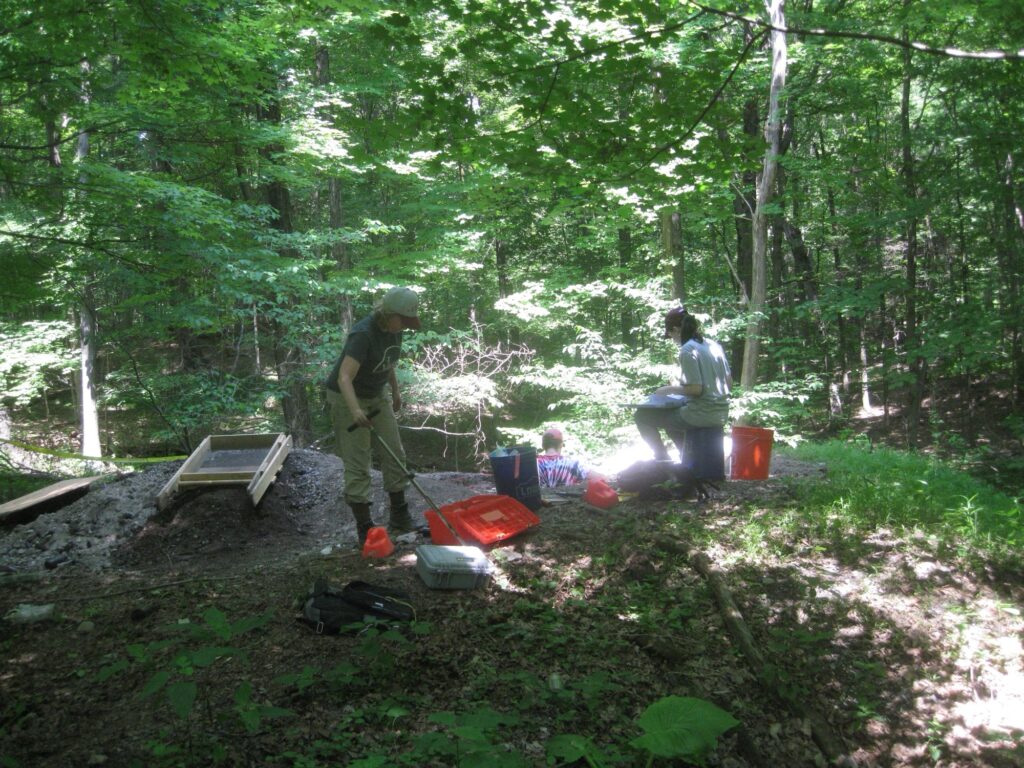
Introduction to archaeology teaches students the basics of archaeological methods and uses case studies to illustrate how those methods provide insights into the past, present, and future. That is why the course is titled Archaeology: Lessons from the Past. Unfortunately the Vassar course registration system shortens all course titles so it is often listed as Archaeology Lessons. The main lessons are that archaeology is everywhere and learning about it can change how we see ourselves. Students have to participate in 4 hours of fieldwork or 2 hours of lab work curing the course and can volunteer to do more for extra credit. Hands-on activities conducted in small teams is any the root of archaeological practice. Archaeologists go out into the world and experience place together. This can be transformative for young adults who spend so much of the education reading and regurgitating on their own.
In the Spring of 2026, I anticipate teaching one or two sections of ANTH 233 Museums, Collections, and Ethics. This course draws a diverse group of students who have interests in Anthropology, Art History, Biology, Economics, History, and Political Science. We read about the proliferation of museums in the late 1800s and early 1900s, and the associated rush to find things to fill them with. This leads us to the ethics of who and what was taken, transported, labeled, and either stored or put on display. Because students come to this course from so many fields of interest, they have a lot of freedom of choice on their assignments. Students select an online museum exhibit to produce an audio/video review of, an object held by Vassar College to write an object biography of, a case of cultural or heritage theft to research and summarize. All students learn about the Native American Graves Protection and Repatriation Act (NAGPRA) along with how their college did not comply with it when enacted. Vassar is now in full compliance with NAGPRA.
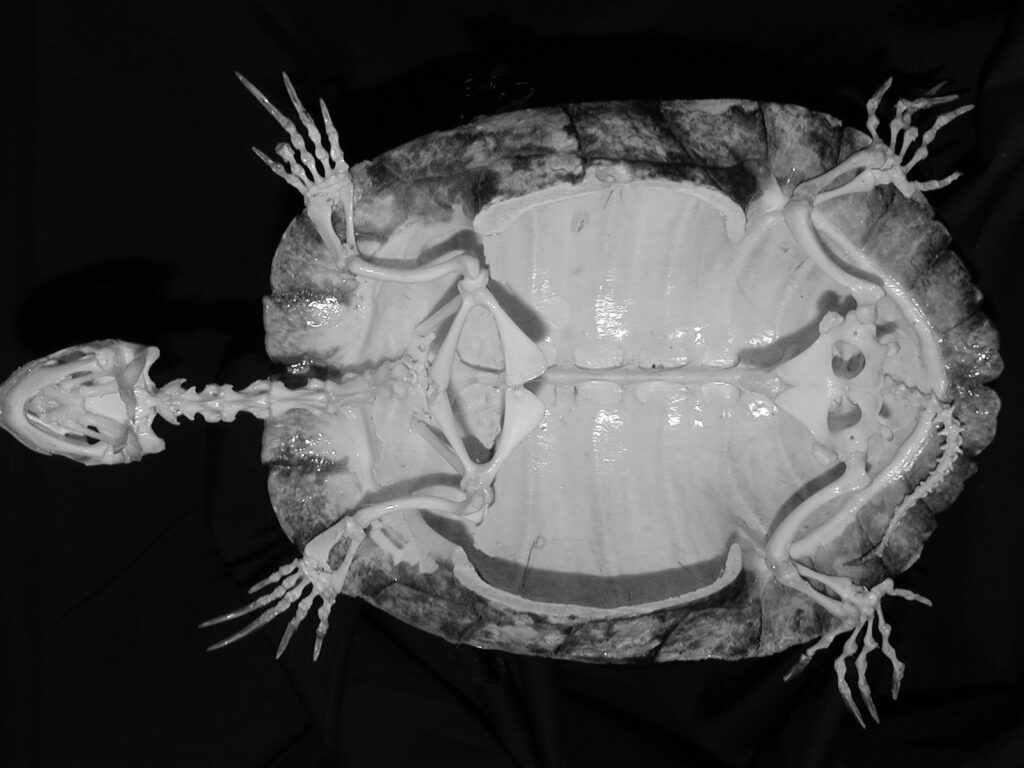
If I offer only one section of the museums course in the Spring of 2026, that would allow me to provide a course on human or animal osteology. Zooarchaeology, the study of animal bones from archaeological sites, is my main archaeological speciality. Once I began researching the New York City water system, I had to take a break from animal bone analyses because surveying the water system (which includes 19 reservoirs and controlled lakes) was such a huge undertaking. In the Spring of 2025, I will be conducting zooarchaeological research at the Natural History Museum of Vienna, Austria. That experience will certainly reinvigorate my osteological instruction. Students used to come to college having had some exposure to the human skeleton and the names of the bones. Lately that does not seem to be the case. Without a background in anatomy, it is difficult to teach zooarchaeology in one semester.
Recent class work online
I have experimented with blog and podcasting assignments in my courses. The links below will take you to that student-generated work.
During the COVID-19 pandemic, I taught Ruins and Haunting Heritage as a hybrid course with online lectures and in-person discussion and activities. The lectures are available on my (long neglected) YouTube channel.
Courses Taught at Vassar College (2012-2024)
- ANTH 130 Archaeology: Lessons from the Past
- ANTH 170/182 Bones, Bodies, and Forensic Cases – freshman writing seminar
- ANTH 210 The DEAD (intensive)
- ANTH/ENST 213 Indigenous Environmental Activism (intensive)
- ANTH 231a Archaeology of Animals
- ANTH 231b Maps, Culture & Archaeology
- ANTH 231c Archaeology Lab Methods
- ANTH 236 Native North America
- ANTH 235b Historical Archaeology of American Identity
- ANTH/AMST 233 Museums, Collections, Ethics
- ANTH 228 Skeletal Anatomy
- ANTH 229/305 Forensic Anthropology
- ANTH/ENST 331 Disaster Archaeology
- ANTH 332 Ruins and Haunting Heritage
- ENST 291 Field Experiences in the Hudson Valley
Course Taught for Johns Hopkins University (2019-2020)
- AS.465.736 NAGPRA: Repatriation as Compliance or Ethical Practice
 Skip to content